

Fort Augustus + Loch Ness
Fort Augustus + Loch Ness


Highland Club Direct News
Important information to keep our guests informed and up to date with items of general interest in an around The Highland Club.News Archive
BOOKING PROTECT - Peace of Mind when Booking with Highland Club Direct
Book Our Facilities & EV Charging Information
Hogmanay in Fort Augustus 2026–2027: What’s On Around Loch Ness?
A Bumper Year for Loch Ness Monster Sightings in 2026
Dores Inn Loch Ness Redevelopment – Exciting Plans for Visitors
Fishing in the Scottish Highlands with Green Highlander
Here Comes the Sun: Summer at Loch Ness Starts Here
Things to Do This Winter Near Loch Ness | Highland Club Direct
History of Fort Augustus Abbey | Highland Club Direct
Christmas in Fort Augustus: A Highland Winter Wonderland
A Heritage Christmas: Step Back in Time at Fort Augustus Abbey
Where to Eat in Fort Augustus: The Best Restaurants & Cafés Near Loch Ness
History of Fort Augustus Abbey | Highland Club Direct
Wildlife Experiences Near Loch Ness | Highland Club Direct
Distillery Tours Near Loch Ness | Highland Club Direct
Where to Eat in Fort Augustus: The Best Restaurants & Cafes Near Loch Ness
Autumn Activities in Fort Augustus | Highland Club Direct
A Storied Stay on Loch Ness | Highland Club Direct
Whisky Tours - Highland Club Direct
Romantic Breaks for Two: Autumn Escapes in Fort Augustus
Christmas Holidays in Fort Augustus | Highland Club Direct
Loch Ness Marathon - October 1st 2024
A Scenic Journey |Highlights Along the Edinburgh to Fort Augustus Route
Discover ANTA Interiors: The Heart of Highland Style - Highland Club Direct
Autumn walks around Fort Augustus - Highland Club Direct
Highland Club Goes Green with Pod Point Electric Car Charging
Tailored Stays: Pet Friendly, loch ness views, multi-Property Options for Larger Groups
Book with Highland Club Direct | Holiday Rentals in Fort Augustus
Easter Holidays in Fort Augustus | Blog | Highland Club Direct
Whisky Tour Scotland | Highland Club Direct Experiences
Slow Travel in the Highlands: Autumn Escapes from Fort Augustus
Heritage of Fort Augustus | Highland Club Direct History
Exploring Harry Potter's Scottish Magic: A Guide to Filming Locations
Etape Cycling Event | Highland Club Direct
Harry Potter Experience - Highland Club Direct
Discover Wild Swimming near Loch Ness | Highland Club Direct
SEASONS GREETING - SPECIAL FESTIVE PACKAGES
ON SITE BOATHOUSE RESTAURANT INFORMATION
ATTRACTIONS TO VISIT WHEN YOU BOOK WITH HIGHLAND CLUB DIRECT
Beavers Return to Loch Ness After 500 Years: A Historic Wildlife Comeback Near Fort Augustus
November 2026 | Highland Club Direct
Five centuries after disappearing from the Scottish Highlands, beavers have officially returned to the waters around Loch Ness. And the first family has been released just a short journey from Fort Augustus.
Last year, we shared the exciting possibility that beavers might once again inhabit the rivers, lochs and wetlands surrounding Loch Ness.
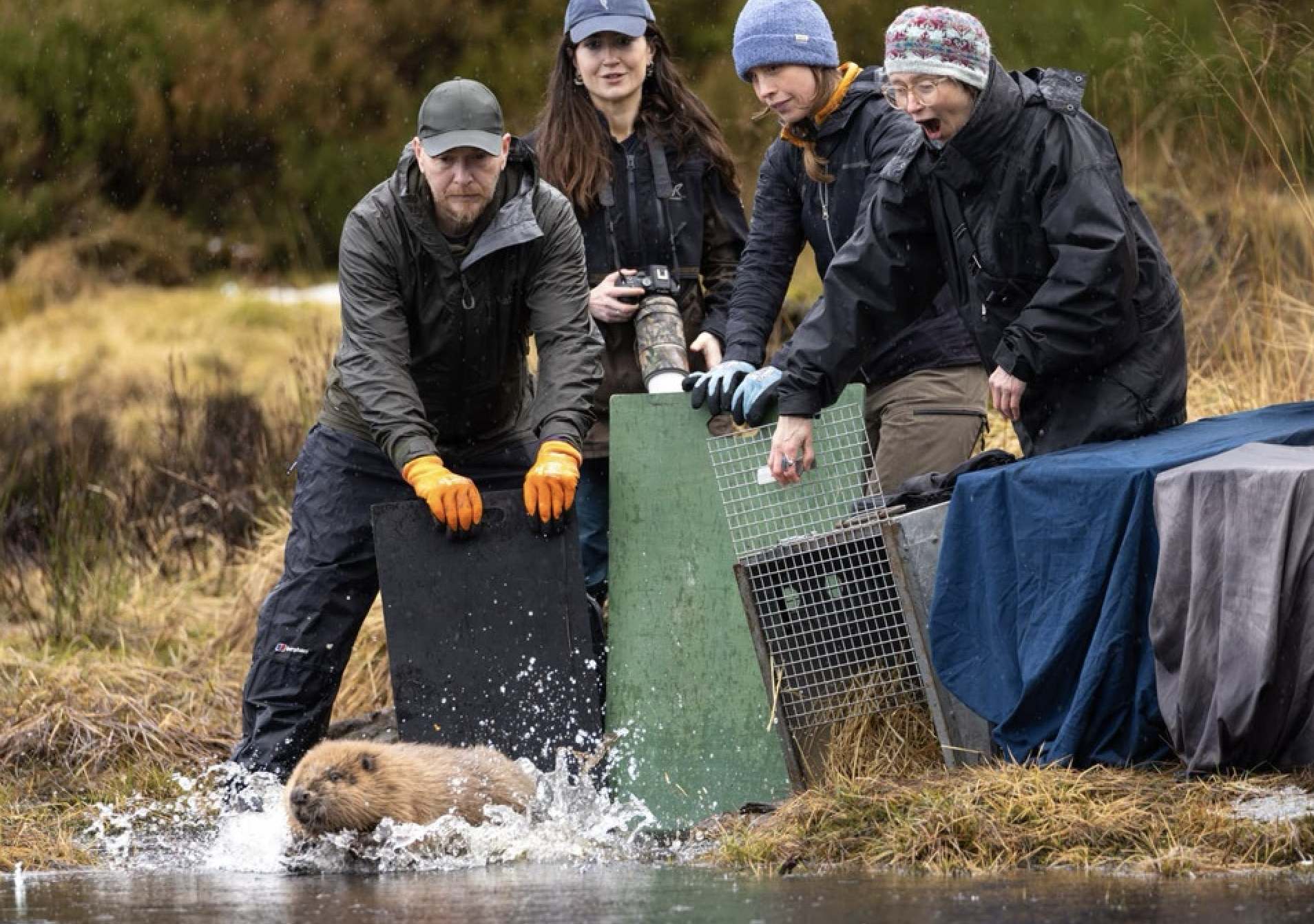
Now, that possibility has become reality. On 4 November 2026, a family of six Eurasian beavers was released into a secluded lochan at Dundreggan, the spectacular rewilding estate in Glenmoriston managed by conservation charity Trees for Life.
The release represents a remarkable milestone for Scottish wildlife conservation and the beginning of an ambitious programme to restore beavers to the wider Loch Ness landscape.
For visitors staying with Highland Club Direct in Fort Augustus, it’s another fascinating chapter in the natural history of this extraordinary part of the Highlands.
A Remarkable Return After 500 Years
Beavers were once native to Scotland, living alongside its rivers, freshwater lochs and woodland habitats.
However, centuries of hunting for their fur, meat and castoreum, a substance historically used in medicines and perfumes, eventually led to their extinction in Britain.
Remarkably, one of the last historical references to beavers in Scotland comes from the Loch Ness area itself.
The Chronicles of Scotland, published in 1526, describes beavers among the wild animals living beside Loch Ness.
Almost exactly 500 years later, they are returning to the landscape where their presence was once recorded.
Meet the First Beaver Family at Dundreggan
The first release took place at the Dundreggan Rewilding Estate in Glenmoriston, a 10,000-acre landscape of woodland, hills and freshwater habitats.
The family of six includes an adult female, two juveniles approximately two years old and three young beavers born earlier this year.
The animals were relocated from elsewhere in Scotland under licence, following specialist health checks.
They were released into a sheltered freshwater lochan where the surrounding woodland provides food, cover and suitable habitat.
This is not simply about introducing a handful of animals. It is the beginning of a long-term effort to restore an important native species to the Scottish Highlands.
What Is the Ness Beaver Project?
The Ness Beaver Project is a partnership between Trees for Life and The Beaver Trust, supported by Nature Scot, Scotland’s nature agency.
On 30 October 2026, NatureScot granted a licence for the release of beavers at agreed sites within the River Ness catchment.
The wider project plans to establish at least 15 beaver family groups across suitable lochs, rivers and wetlands over approximately three years.
The aim is to create a healthy, connected population that can gradually spread through suitable habitats.
The Loch Ness catchment has been identified as particularly promising because of its extensive freshwater network, woodland habitats and opportunities for ecological restoration.
The project will also include ongoing monitoring, community engagement and support for landowners where beaver activity creates challenges.
Why Are Beavers So Important to the Scottish Highlands?
Beavers are often described as ecosystem engineers because of their remarkable ability to reshape the landscape around them.
Unlike many animals, they actively create and modify habitats that benefit other species.
Creating new wetlands
By constructing dams on suitable smaller waterways and digging channels, beavers can create ponds and wetlands.
These habitats provide valuable opportunities for amphibians, aquatic insects, birds and other wildlife.
Encouraging biodiversity
Beavers feed on bark, twigs, leaves and aquatic vegetation.
Their activity can open small gaps in woodland, allowing sunlight to reach the ground and encouraging new plant growth.
The resulting variety of habitats supports a greater diversity of wildlife.
Helping manage water
Beaver wetlands can slow water movement, store water during dry periods and trap sediment.
In suitable locations, these changes can help moderate flooding and improve freshwater habitats.
Restoring natural processes
Perhaps most importantly, beavers allow natural ecological processes to return.
Rather than relying entirely on human intervention, their activities help create dynamic, changing habitats that support wildlife over time.
Will We See Beavers Swimming in Loch Ness?
It’s an exciting possibility, although visitors should not expect to see beavers swimming past Fort Augustus immediately.
The first family has been released at Dundreggan in Glenmoriston, rather than directly into Loch Ness.
Further releases are planned across suitable waterbodies within the wider catchment, with exact locations announced only after the animals have safely settled.
Beavers are primarily active around dusk and dawn and are naturally cautious of people.
They are also more likely to favour sheltered, vegetated waterways and smaller lochs than the exposed open waters of Loch Ness itself.
Over time, as the population establishes and expands, there may be increasing opportunities to observe beaver activity around the wider Loch Ness area.
For now, the most important thing is to give these newly released animals space to settle into their new environment.
Discover Rewilding at Dundreggan Near Fort Augustus
One of the most interesting places to learn about this project is the Dundreggan Rewilding Center , located in Glenmoriston.
Operated by Trees for Life, the centre introduces visitors to the remarkable work taking place to restore native woodland, wildlife and natural habitats across the Scottish Highlands.
It’s an excellent addition to a Loch Ness holiday, particularly for families, walkers, photographers and anyone interested in nature.
Visitors can discover more about rewilding, explore the surrounding landscape and learn about the species being restored to the Highlands.
Trees for Life also plans to introduce guided beaver experiences once the animals have settled.
These future experiences may offer opportunities to learn how to recognise signs of beaver activity, understand their ecological importance and potentially observe the animals responsibly.
Check the centre’s website for the latest visitor information and availability of guided activities.
How Can You Tell If Beavers Are Living Nearby?
Even when beavers are difficult to see, they often leave distinctive signs of their presence.
Look out for:
Gnawed trees: Characteristic tooth marks and pointed, pencil-shaped stumps.
Wood chips: Fresh shavings around trees where beavers have been feeding.
Dams: Structures built from branches, vegetation and mud on suitable waterways.
Lodges and burrows: Sheltered places where beavers rest and raise their young.
Feeding signs: Stripped branches and evidence of activity beside the water.
Not every beaver builds a dam. Where water is already sufficiently deep, they may simply occupy bank burrows or lodges.
If you are fortunate enough to encounter a beaver, watch quietly from a distance and avoid disturbing the animal or its habitat.
What Does the Beaver Reintroduction Mean for Fort Augustus?
Fort Augustus is already a wonderful base for exploring the natural beauty of Loch Ness and the Great Glen.
Visitors come for the spectacular scenery, historic landmarks, walking trails and opportunities to discover Highland wildlife.
The return of beavers adds another dimension to the area’s conservation story.
It also reflects a growing interest in nature-based tourism, where visitors can learn about wildlife restoration and experience landscapes being allowed to recover.
For local communities, the project brings opportunities alongside responsibilities.
Beaver activity can sometimes affect farmland, drainage and infrastructure. The conservation organisations involved have committed to monitoring, practical mitigation and working with local land managers to address concerns.
The intention is to create a lasting, healthy beaver population that can coexist with people and benefit the wider environment.
Make Fort Augustus Your Base for Exploring Loch Ness Wildlife
Staying in Fort Augustus places you in an ideal position to discover the landscapes of the Great Glen.
From the village, visitors can explore Loch Ness, enjoy walks along the Caledonian Canal and venture into Glenmoriston and the surrounding Highland countryside.
The Highland Club, set within the magnificent former abbey on the shores of Loch Ness, offers a distinctive setting for a relaxing Highland holiday.
With a collection of individually furnished self-catering apartments, Highland Club Direct provides the freedom to explore at your own pace and return to comfortable accommodation after a day outdoors.
Whether you’re interested in rewilding, photography, walking or simply enjoying the peace of the Highlands, there’s always something new to discover.
A New Chapter for Loch Ness
For centuries, Loch Ness has been associated with one of the world’s most famous legendary creatures.
Now, another remarkable animal has returned to its waters — and this one is very real.
The arrival of the first beaver family at Dundreggan is a significant moment for the Highlands and a reminder that landscapes can recover when native species are given the opportunity to return.
We look forward to following the Ness Beaver Project as it develops and sharing future updates with our guests.
Planning a wildlife holiday in the Scottish Highlands?
Discover our collection of beautiful self-catering holiday apartments in Fort Augustus and make Highland Club Direct your base for exploring Loch Ness, Glenmoriston and the Great Glen.
Book directly at www.highlandclubdirect.com
Experience the Highlands, naturally.
News Archive
BOOKING PROTECT - Peace of Mind when Booking with Highland Club Direct
Book Our Facilities & EV Charging Information
Hogmanay in Fort Augustus 2026–2027: What’s On Around Loch Ness?
A Bumper Year for Loch Ness Monster Sightings in 2026
Dores Inn Loch Ness Redevelopment – Exciting Plans for Visitors
Fishing in the Scottish Highlands with Green Highlander
Here Comes the Sun: Summer at Loch Ness Starts Here
Things to Do This Winter Near Loch Ness | Highland Club Direct
History of Fort Augustus Abbey | Highland Club Direct
Christmas in Fort Augustus: A Highland Winter Wonderland
A Heritage Christmas: Step Back in Time at Fort Augustus Abbey
Where to Eat in Fort Augustus: The Best Restaurants & Cafés Near Loch Ness
History of Fort Augustus Abbey | Highland Club Direct
Wildlife Experiences Near Loch Ness | Highland Club Direct
Distillery Tours Near Loch Ness | Highland Club Direct
Where to Eat in Fort Augustus: The Best Restaurants & Cafes Near Loch Ness
Autumn Activities in Fort Augustus | Highland Club Direct
A Storied Stay on Loch Ness | Highland Club Direct
Whisky Tours - Highland Club Direct
Romantic Breaks for Two: Autumn Escapes in Fort Augustus
Christmas Holidays in Fort Augustus | Highland Club Direct
Loch Ness Marathon - October 1st 2024
A Scenic Journey |Highlights Along the Edinburgh to Fort Augustus Route
Discover ANTA Interiors: The Heart of Highland Style - Highland Club Direct
Autumn walks around Fort Augustus - Highland Club Direct
Highland Club Goes Green with Pod Point Electric Car Charging
Tailored Stays: Pet Friendly, loch ness views, multi-Property Options for Larger Groups
Book with Highland Club Direct | Holiday Rentals in Fort Augustus
Easter Holidays in Fort Augustus | Blog | Highland Club Direct
Whisky Tour Scotland | Highland Club Direct Experiences
Slow Travel in the Highlands: Autumn Escapes from Fort Augustus
Heritage of Fort Augustus | Highland Club Direct History
Exploring Harry Potter's Scottish Magic: A Guide to Filming Locations
Etape Cycling Event | Highland Club Direct
Harry Potter Experience - Highland Club Direct
Discover Wild Swimming near Loch Ness | Highland Club Direct
SEASONS GREETING - SPECIAL FESTIVE PACKAGES
ON SITE BOATHOUSE RESTAURANT INFORMATION
ATTRACTIONS TO VISIT WHEN YOU BOOK WITH HIGHLAND CLUB DIRECT


